Colombia Declares State of Emergency in Eight Departments Due to Climate Crisis
The State of Economic, Social and Ecological Emergency is applied in Córdoba, Antioquia, La Guajira, Sucre, Bolívar, Cesar, Magdalena and Chocó
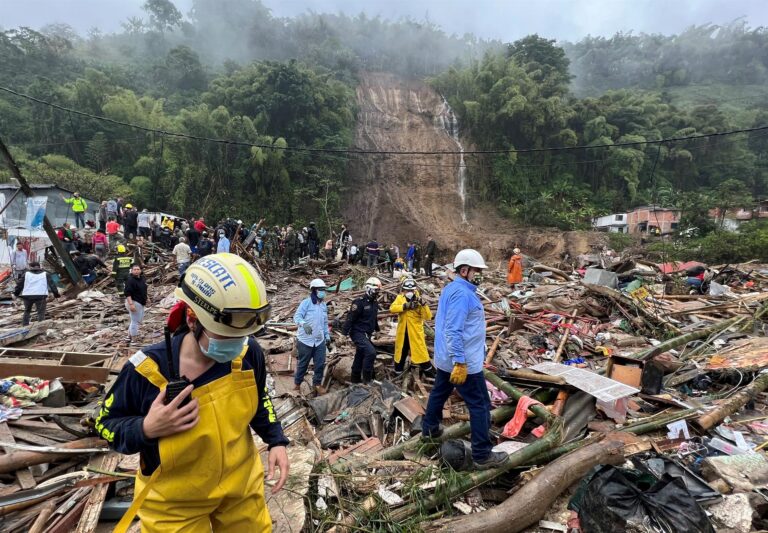
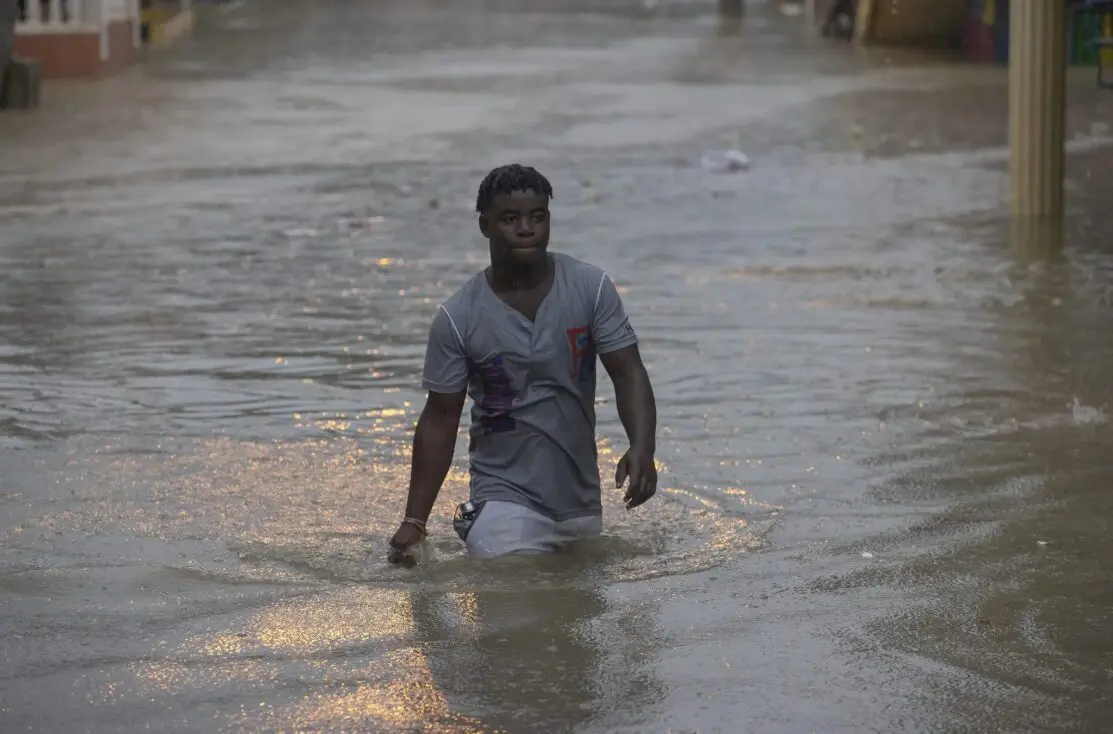
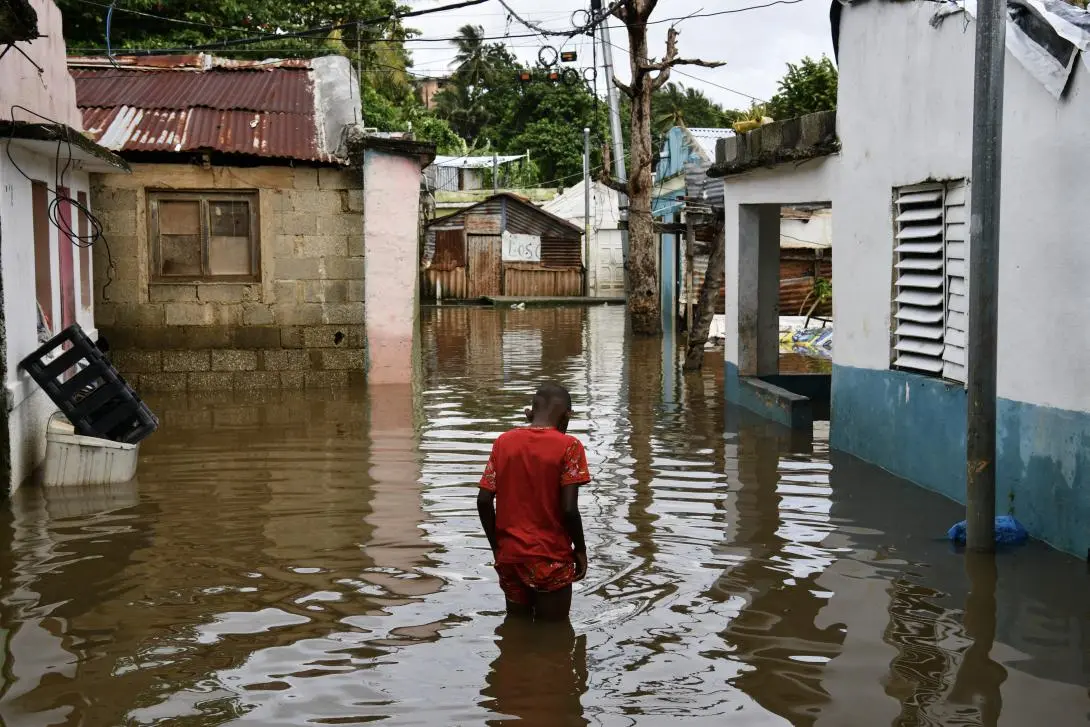
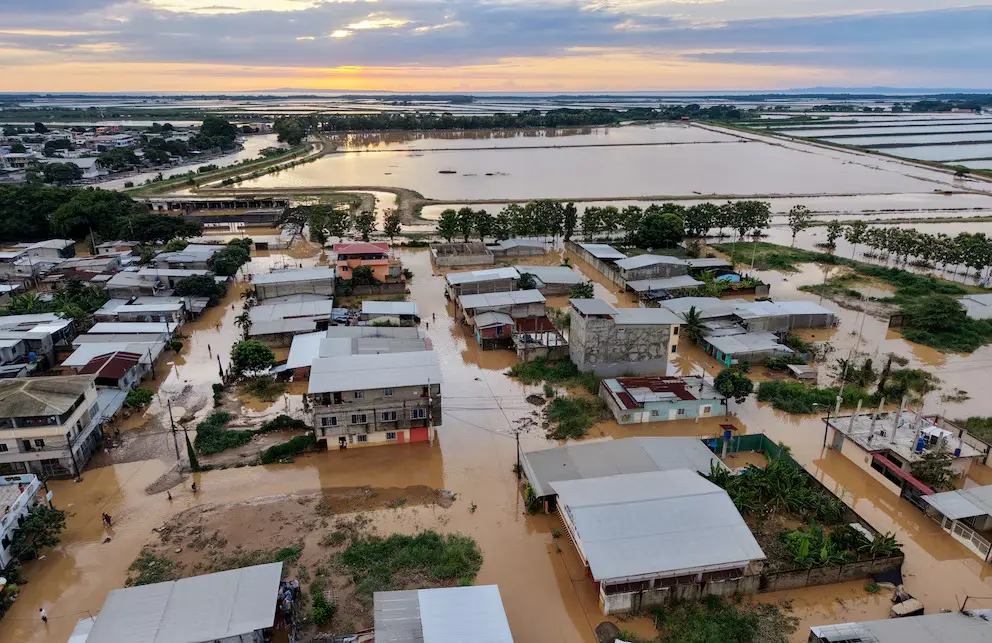
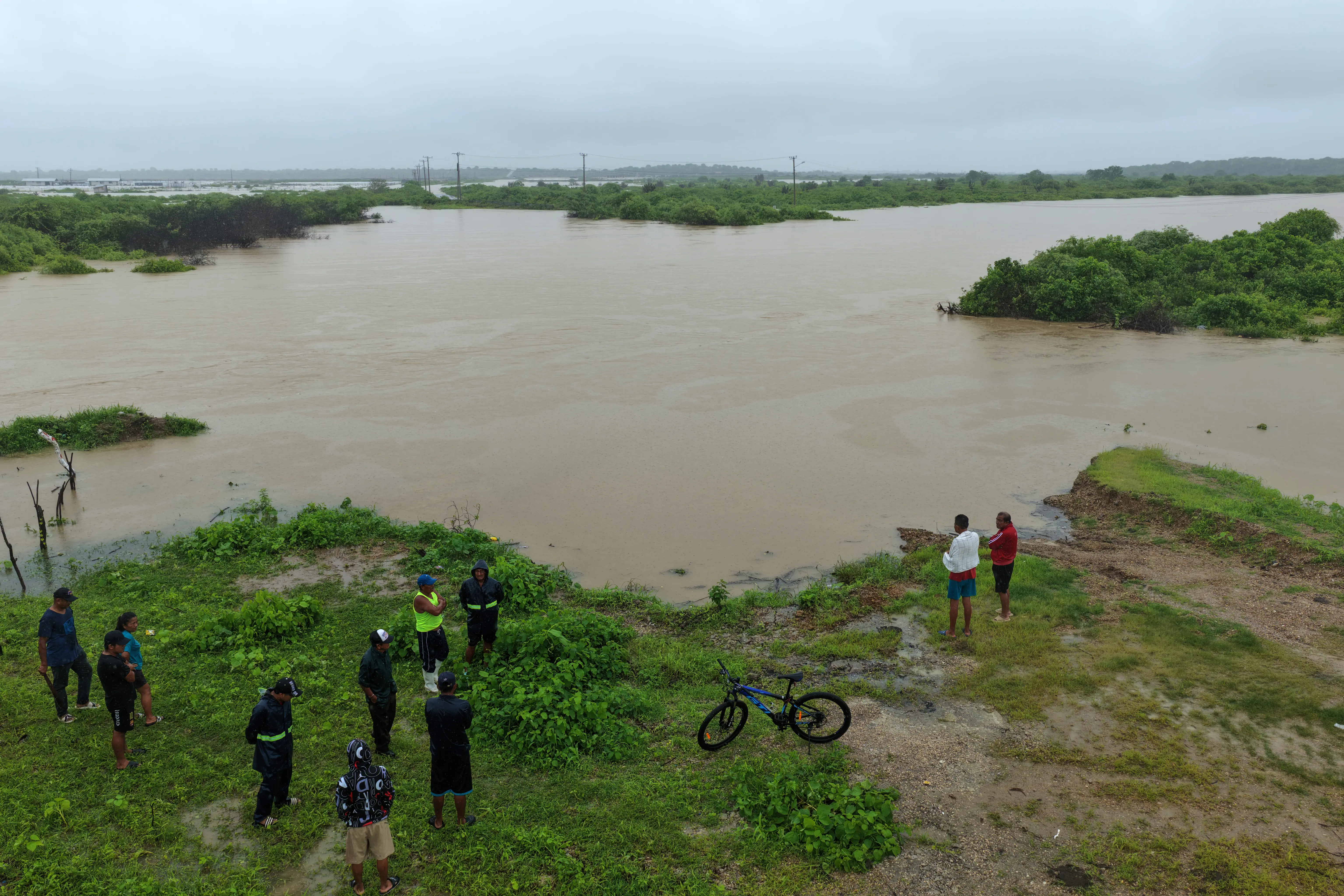
Images show the extent of the flooding in municipalities across the eight departments under a state of emergency. Photo: Colombia’s National Disaster Risk Management System
February 12, 2026 Hour: 5:18 pm
🔗 Comparte este artículo
Colombian President Gustavo Petro declared a State of Emergency after unprecedented rains battered the Caribbean and Pacific coasts, leaving 10 dead, thousands affected, and critical infrastructure severely damaged.
Colombian President Gustavo Petro declared a State of Economic, Social, and Ecological Emergency in eight departments through Decree 0150 of February 11, 2026, with an initial validity of 30 calendar days. The measure responds to a crisis caused by massive and unprecedented rains in territories of the Colombian Caribbean and Pacific coasts.
RELATED: Record Rains Flood Northern Colombia, Killing at Least 14
The phenomenon originated from the anomalous displacement of a cold front toward the Colombian Caribbean, a rare event that generated rainfall between 130% and over 180% of the historical monthly average in just a few days. This pattern combined with strong winds, abnormal swells, storm surges, and flash floods, triggering multiple emergencies in the affected regions.
The declaration applies to the departments of Cordoba, Antioquia, La Guajira, Sucre, Bolivar, Cesar, Magdalena, and Choco.
According to a report by the National Unit for Disaster Risk Management (UNGRD), 65 emergencies were recorded in 61 municipalities, affecting more than 69,000 families, over 252,000 people, and resulting in 10 deaths as a direct consequence of the weather events. The damage includes floods, landslides, and damage to homes, roads, bridges, aqueducts, schools, and health centers, as well as losses in the productive sector.
Text reads: “All united by the department. The response is unstoppable, moving into areas where land access is limited. In coordination between UNGRD, Hocol, the National Federation of Departments and Helistar, humanitarian assistance has been taken by helicopter to incommunicado walkways in Canalete and Montelibano: 3 air travel, 18 tons of assistance delivered, 712 families attended, two additional flights are planned to continue expanding coverage in the territory.”
The decree is adopted within the framework of Article 215 of the Political Constitution and Law 137 of 1994, which regulate states of emergency. This legal mechanism allows the national government to issue decrees with the force of law intended exclusively to address the crisis and prevent the spread of its effects, including the necessary budgetary operations for their implementation. The Executive Branch will exercise these powers on a temporary basis and strictly related to the causes of the emergency.
Furthermore, the Congress of the Republic is to be convened on the tenth day following the expiration of the State of Emergency, in order to conduct the corresponding political oversight regarding the use of extraordinary powers.
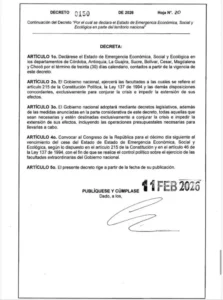
According to the Colombian Constitution, this state of emergency may not exceed 90 days in a calendar year, and the measures adopted will be subject to subsequent review by the Constitutional Court.
With this decision, the Government activates an extraordinary legal instrument to respond swiftly to a climate emergency of historic magnitude in the designated regions, prioritizing the protection of the population and critical infrastructure.
Author: HGV - LVM
Source: Agencies